
7 Costly Mistakes to Avoid During a Home Renovation

Planning a full home renovation or new build is an exciting process—but it’s also one of the most complex projects a homeowner can take on.
Over the years, we’ve seen how small missteps early on can lead to costly changes, delays, and unnecessary stress later in the process.
Understanding what to avoid from the beginning can make a significant difference in both the experience and the final result.
1. Waiting Too Long to Hire an Interior Designer
One of the most common mistakes is bringing in a designer after construction has already begun.
By that point, many key decisions have been made—layouts, lighting, and architectural details—which can limit what’s possible or require expensive changes.
Involving a designer early ensures that your home is cohesive from the start.
2. Underestimating the Level of Detail Required
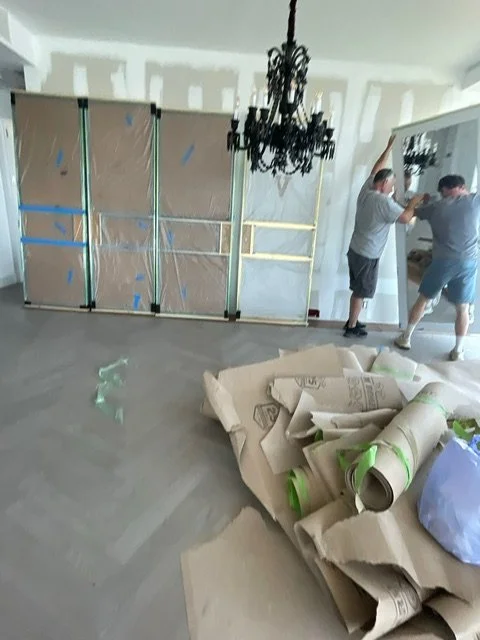
A full home renovation involves hundreds of decisions—from materials and finishes to hardware and lighting.
Without a clear plan, these decisions can quickly become overwhelming and inconsistent.
A well-developed design plan ensures that every detail is aligned and intentional.
3. Not Considering Function Early Enough
It’s easy to focus on how a space will look, but how it functions is just as important.
Layout decisions, storage, and flow should be addressed early in the design phase—not during construction.
4. Making Changes Mid-Construction
Changes during construction are one of the biggest drivers of cost increases.
Even small adjustments can impact timelines, labor, and materials.
Having a clear plan before construction begins helps avoid unnecessary revisions.
5. Overlooking Lighting Design
Lighting is often treated as an afterthought, but it plays a critical role in how a home feels and functions.
Layered lighting—combining ambient, task, and accent lighting—should be considered early in the design process.
6. Trying to Manage Too Many Decisions Alone
Renovations involve coordination between multiple professionals—architects, contractors, and vendors.
Trying to manage everything independently can lead to miscommunication and missed details.
A designer helps streamline the process and ensures consistency across every element.
7. Focusing Only on the Present
A well-designed home should work not only for today, but for how you’ll live in the future.
Considering long-term needs, lifestyle changes, and durability helps create a home that remains functional and relevant over time.
A More Thoughtful Approach
A successful renovation is not just about the end result—it’s about how the project is planned and executed.
With the right guidance and a clear process, you can avoid many of the common pitfalls and create a home that feels cohesive, functional, and fully realized.

Planning a Renovation in New Jersey or New York City?
If you’re considering a full home renovation or new build, we would be happy to guide you through the process from the very beginning.